Out of This World Space Explorer Review
I have spent years stitching everything from delicate baby onesies to heavy-duty workwear, and I know that the difference between a finished product that feels mass-produced and one that feels like a true handmade product often comes down to the design itself. When I first saw Out of This World Space Explorer, I didn't just see a graphic; I saw a potential centerpiece for a custom apparel line or a high-end boutique gift. As an experienced designer reviewing this piece before integrating it into my workflow, I want to share exactly how this design translates from a digital file to a tangible stitched reality.
The First Impression: Mood and Visual Personality
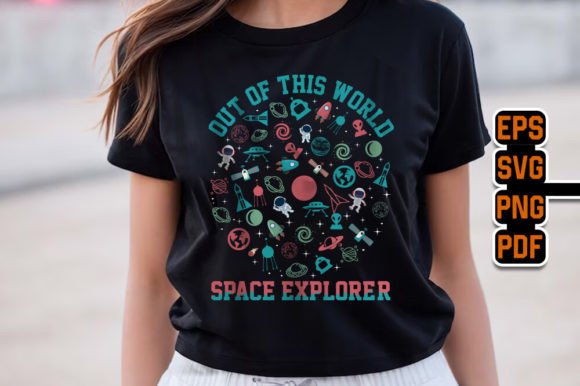
Out of This World Space Explorer immediately captures a sense of wonder and adventure. The layout suggests a modern, trendy aesthetic that fits perfectly with current T-Shirt Designs trends, but its strength lies in its adaptability. Unlike many space-themed graphics that can feel cluttered or overly busy, this design appears to balance detail with negative space, which is crucial for embroidery. The visual personality is bold yet approachable, making it suitable for a wide range of audiences, from young hobbyists to adult enthusiasts of astronomy.
In terms of design assets, the concept of a "Space Explorer" lends itself naturally to storytelling. It isn't just a logo; it is a statement. When you look at the shape and theme, you can almost hear the hum of a rocket engine. This emotional connection is what drives customer engagement. For a small business owner or an Etsy seller, this kind of imagery has high recognition value. It speaks to curiosity and exploration, themes that resonate deeply with buyers looking for unique, personalized gifts.
Real-World Application: From Screen to Stitch
To truly understand the utility of Out of This World Space Explorer, let's imagine a real-life scenario. I am preparing for a local craft fair and need a standout item for my booth. I decide to create a limited run of embroidered tote bags featuring this design. My goal is to offer something that appeals to parents buying for their kids' birthdays or teachers looking for unique holiday gifts.
When I place the design on a canvas tote bag, the visual appeal is immediate. The contrast between the dark fabric of the bag and the bright thread colors would make the design pop. However, the success of this project depends heavily on how the machine handles the specific stitch types within the file. If Out of This World Space Explorer utilizes a mix of satin stitches for outlines and fill stitches for the main body, it will hold up well against the friction of daily use. A tote bag takes a beating, so the stitch density must be robust enough to prevent the fabric from showing through while remaining soft to the touch.
This same design could also shine on a sweatshirt embroidery project. Imagine a cozy hoodie with the explorer motif centered on the chest. The slightly larger scale of the garment allows for more intricate details to breathe. For a baby item, such as a christening gown or a toddler's jumper, the design would need to be scaled down carefully. The gentle curves of the space theme are perfect for nursery decor, perhaps adapted for a pillow cover or a wall hanging where the texture of the thread adds a tactile element that print cannot match.
Navigating Challenges: Where to Use Caution
While Out of This World Space Explorer is versatile, no single design is a magic bullet for every situation. There are specific scenarios where caution is required to ensure a professional finish. One of the most critical factors is the hoop size. If the design contains fine lines or tiny lettering, attempting to stitch it in a very small hoop might result in distortion or lost details. Always check the recommended dimensions before committing to a small project like a cap patch or a hat brim.
Fabric texture plays a significant role as well. On textured fabrics like fleece or thick chenille, the design might get lost if the thread count isn't high enough. Conversely, on thin or stretchy fabrics like jersey, the tension of the stitch density could cause puckering. In these cases, using the proper stabilizer is non-negotiable. Without adequate support, the design could pull the fabric out of shape, ruining the aesthetic of the final product.
Dense stitch areas are another consideration. If the design features large blocks of fill stitch, it can become stiff and heavy. This might be undesirable for items that require drape, such as a flowing dress or a lightweight apron. Additionally, curved surfaces like caps present a challenge for any design. While Out of This World Space Explorer might look great flat, the curvature of a hat requires careful digitizing to ensure the elements don't overlap awkwardly when wrapped around the dome. If the design includes detailed corners, they may not register clearly on a curved surface, leading to a blurry appearance.
Practical Notes for the Embroidery Designer
Before you start your next commercial embroidery project with Out of This World Space Explorer, there are several technical steps you should take to guarantee success. First and foremost, test the design on scrap fabric. This simple step reveals how the threads interact with different materials and helps you adjust tension settings before you risk a customer's order.
Review the stitch density closely. High-density designs can sometimes look muddy if the thread colors aren't chosen carefully. Ensure there is sufficient contrast between the background fabric and the thread colors to maintain clarity. If you are working with dark fabric, verify that the underlay is sufficient to prevent the fabric color from bleeding through the top stitches. For light fabrics, you might need to adjust the density to avoid creating a stiff, board-like feel.
It is also wise to inspect small details in black and white mockups. Sometimes, color makes details visible that disappear when converted to grayscale, which is helpful for understanding the structural integrity of the design. Compare how the design looks on both light and dark backgrounds to ensure versatility. If the file is intended for both personal and commercial projects, double-check the licensing terms provided by the creator. Selling finished items made from this design asset requires clear permission, and failing to confirm this can lead to legal issues for your small shop product line.
Final Thoughts on Value and Professionalism
In the world of handmade goods, presentation is everything. A well-executed embroidery project using Out of This World Space Explorer elevates the perceived value of the item. Customers trust brands that pay attention to detail, and high-quality stitching signals professionalism. Whether you are creating a custom gift for a loved one or stocking shelves for a boutique, this design offers a strong foundation for building brand consistency.
The ability to transform a digital image into a tactile experience is what sets embroidery apart from other decoration methods. When done right, the thread catches the light, adding depth and dimension that flat prints simply cannot achieve. By taking the time to analyze the design's strengths and limitations, you ensure that your finished product meets the highest standards of quality. For designers, sellers, and makers who value craftsmanship, Out of This World Space Explorer represents a promising opportunity to create meaningful, durable, and visually stunning items.