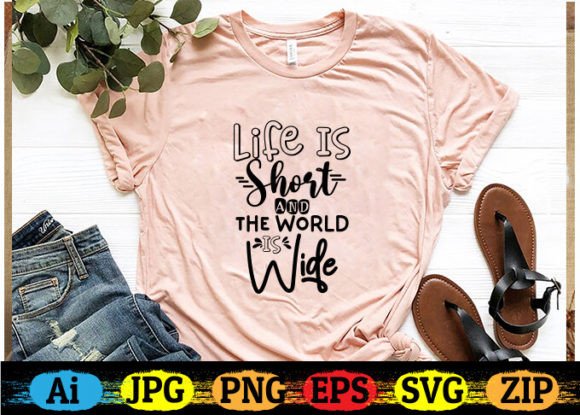
Life is Short and the World is Wide
I have stitched thousands of designs in my time, from intricate floral motifs to bold typographic statements. When I first saw Life is Short and the World is Wide, I didn't just see a pretty phrase; I saw a project waiting to happen. As an experienced designer who values practicality over hype, my review focuses on how this design performs when it moves from a digital screen to a real-world embroidery machine.
The mood this design creates is immediately adventurous yet grounded. It speaks to wanderlust without being overly cliché. The layout feels balanced, suggesting that the lettering style is likely clean and legible, which is crucial for any embroidery file intended for apparel or home goods. Before I even touched the needle, I could visualize where this would live best: perhaps centered on a canvas tote bag, nestled on the chest of a cozy sweatshirt, or adorning a simple kitchen towel.
A Real-World Test: The Custom Tote Bag Scenario
Let's imagine a specific scenario. You are preparing for a local craft fair or fulfilling a custom order for a boutique client. They need a unique accessory that says "traveler" but remains versatile enough for everyday use. You decide to create a custom embroidered tote bag using Life is Short and the World is Wide.
In this situation, the design needs to hold up under the weight of daily use while looking crisp against the fabric texture. If the design includes a mix of satin stitch for outlines and fill stitches for the body of the letters, it will offer excellent coverage on cotton canvas. However, if you plan to place this on a thin linen tote, you must be mindful of the stitch density. High-density stitching can sometimes make lightweight fabrics pucker or look stiff, ruining the drape of the bag. This is why testing on scrap fabric is non-negotiable.
The phrase itself carries emotional weight. Customers buying personalized gifts often want something that resonates with their own life philosophy. A tote bag featuring this design isn't just a bag; it's a statement piece. For an Etsy seller or small shop owner, this increases the perceived value of the item. It transforms a standard product into a meaningful keepsake. But remember, the success of this transformation depends entirely on the quality of the execution.
Performance Across Different Projects and Fabrics
This design is versatile, but it is not a magic bullet for every surface. Its performance varies significantly depending on the material and the application method.
- Custom Apparel: On a heavy-weight cotton t-shirt or a fleece sweatshirt, this design shines. The fabric provides enough stability to handle the tension of the threads. It works beautifully as a chest logo or a large back print.
- Baby Items: For baby onesies or bibs, the text must be clear but not overwhelming. If the font size is too small relative to the garment, the details might get lost during washing. Always verify the hoop size required to ensure the design fits within the safe zone of infant clothing.
- Holiday Embroidery: Imagine this design on a holiday gift set—a pillow cover or a tea towel. The sentiment fits perfectly with seasonal gifting, especially around travel-themed holidays or New Year resolutions. The contrast between the thread colors and the fabric background becomes critical here. Light threads on dark fabric require careful thread color selection to ensure readability.
- Embroidered Patches: If you are creating a sew-on patch, the edges need to be clean. A design like this usually benefits from a border or a specific outline stitch to prevent fraying and give it a professional finish.
Where Caution is Required
Not every project is a good fit for Life is Short and the World is Wide. There are specific pitfalls that even experienced designers can overlook if they rush the process.
Small Hoops and Tiny Lettering: If you attempt to shrink this design down to fit a very small hoop, such as one used for a child's hat brim or a tiny keychain, the fine details may disappear. Satin stitches on small curves can become distorted, making the text unreadable. If the original design has delicate serifs or tight spacing, reducing the scale will only highlight these weaknesses.
Stretchy and Textured Fabrics: Stretchy materials like jersey knit or textured fabrics like bouclé present challenges. Without proper stabilizer, the fabric will distort under the pull of the embroidery. While a stable knit can work, you must use a cut-away stabilizer to maintain the integrity of the design over time. Similarly, on highly textured surfaces, the needle might struggle to penetrate evenly, leading to inconsistent stitch formation.
Dense Stitch Areas: If the design relies heavily on fill stitches, it can create a thick, raised area. On curved surfaces like caps, this bulk can cause the design to sit unevenly or feel uncomfortable against the wearer's skin. In these cases, a simpler running stitch or a reduced density version might be more appropriate.
Visual Appeal and Professionalism
The ultimate goal of any commercial embroidery project is to build trust. A customer buying a handmade product expects perfection. When Life is Short and the World is Wide is executed well, it elevates the entire brand. Clean lines, consistent thread tension, and precise alignment signal professionalism. Conversely, loose threads, skipped stitches, or misaligned text can damage the reputation of a small business instantly.
For digital product sellers offering this as a digital embroidery file, the presentation matters. Using printable mockups that show the design on high-quality fabrics helps buyers visualize the final result. It bridges the gap between the abstract digital asset and the tangible finished product. When customers see how the design looks on a real tote bag or apron, they are more likely to purchase, knowing exactly what they are getting.
Practical Designer Notes for Success
Before you hit the start button on your machine, there are several steps you must take to ensure the best outcome.
- Test on Scrap Fabric: Never jump straight into your final project. Run the design on a scrap piece of the same fabric and stabilizer combination you plan to use. This reveals issues with puckering or thread breaks early.
- Check Thread Contrast: Ensure the thread colors chosen provide enough contrast against the fabric. Dark text on dark fabric is rarely readable unless the thread has a metallic sheen or a different texture.
- Review Stitch Density: Look at the design file to understand the stitch types. If it is mostly fill stitch, ensure your machine can handle the density without overheating the fabric.
- Confirm Licensing: If you intend to sell finished items or the digital files themselves, check the licensing terms provided with the download. Some licenses allow personal use only, while others permit commercial sales.
- Inspect Small Details: Zoom in on the design file. Are there any tiny corners or sharp points that might snag? These areas often need manual adjustment in the digitizing software before sewing.
- Black and White Mockups: Create a black and white preview of the design. This helps you judge the balance and composition without the distraction of color.
The design assets available today, including Life is Short and the World is Wide, offer incredible opportunities for creative entrepreneurs. Whether you are an Etsy seller looking to expand your catalog or a hobbyist wanting to make a special gift, the potential is vast. However, the difference between a mediocre result and a masterpiece lies in your preparation and attention to detail.
By treating this design with respect—understanding its strengths, respecting its limitations, and executing it with care—you can create products that truly stand out. The phrase reminds us to explore, but our craftsmanship ensures that our creations endure. Take the time to test, adjust, and perfect, and you will find that this design is not just a graphic, but a foundation for a successful handmade product line.